
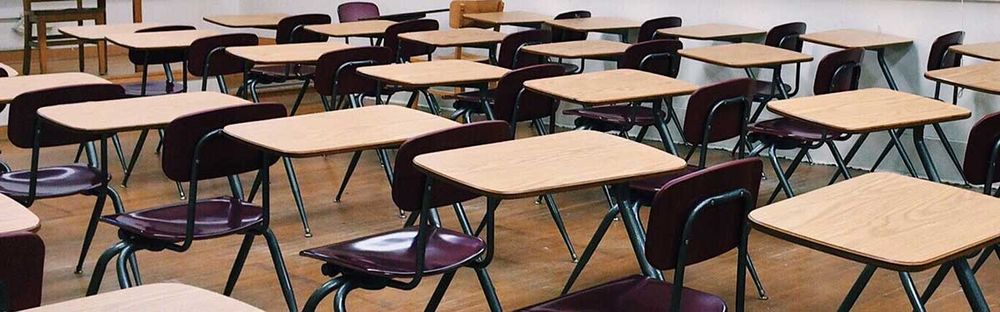
A Guide to Exploring K-12 Facility Renovations
School buildings shape how students learn, teachers teach, and communities invest in their future. Whether the goal is a safer campus, more adaptable classrooms, or a long-overdue infrastructure upgrade, the decision to renovate carries real weight.
This guide helps K-12 leadership teams navigate the early stages of facility renovation planning, from understanding the forces driving modernization to building a scope that earns community trust and delivers lasting value.
The K-12 Facility Landscape: Why Renovation Can't Wait
The average US school building is 49 years old, with roughly 38% built before 1970, and fewer than 50% have undergone a major renovation (NCES Fast Facts). Furthermore, the American Society of Civil Engineers (ASCE) gave school infrastructure a D+ in its 2025 Report Card (ASCE), and there is a $90 billion annual funding gap that stands between today's schools and a state of good repair (2025 State of Our Schools Report).
The good news: communities are stepping up. US public schools issued roughly $82 billion in municipal bonds in 2025, a 42% year-over-year increase (Meteor Education). And with ESSER funds expiring, construction costs climbing, and deferred maintenance reaching a tipping point, districts across the country are turning to capital projects to address safety, learning environments, and operational efficiency.
However, the challenge isn't deciding whether to renovate. It's planning a renovation that maximizes every dollar and earns the confidence of voters, board members, and the broader community.
Looking Beyond Big-Ticket Renovation Priorities
Most renovation conversations start with essential, big-ticket, high-visibility items like security systems, HVAC, roofing, classroom technology, and career and technical education (CTE) labs. Districts that also examine how interior spaces function on a day-to-day basis often uncover opportunities that can make the entire project more efficient and defensible. When interior systems like storage, layout, and circulation are thoughtfully designed from the start of a facilities project, the benefits extend far beyond those areas themselves.
One of those benefits comes as a result of schools that were built decades ago carrying hidden inefficiencies. Oversized storage rooms, hallway overflow from undersized equipment areas, and libraries locked into rigid layouts all consume square footage that could be better serving students. Rethinking how interior space is organized can free up room for classrooms, labs, collaboration areas, or programming needs without expanding the building's footprint.
This kind of planning also strengthens the financial narrative. When a district can demonstrate that smart interior design reduces or eliminates the need for future additions, it shows fiscal discipline and long-term thinking - exactly the message that resonates with taxpayers and board members.
The key is to bring planning expertise into the process early and before architectural plans are finalized, so that every system, visible or not, is working toward the same goals.
Why the Right Partnerships Matter from Day One
Renovation projects involve a complex web of stakeholders. Aligning everyone around a cohesive vision requires partners who understand both the design process and the operational realities of K-12 environments. Districts benefit most when planning partners are involved early enough to influence design, budgeting, and long-term operational performance, rather than react to finished drawings.
For storage and interior space planning specifically, partners with experience in K-12 environments can help districts evaluate space use, identify inefficiencies, and integrate interior systems into the design process before costly revisions occur. At Spacesaver, that collaborative planning approach has been central to how we support school projects alongside architects, designers, and local partners.
Getting Started: Questions to Ask Early in the Planning Process
- Has your district assessed how its current square footage is actually being used? Identifying layout and operational inefficiencies early can reduce project scope and cost.
- Are specialty planning partners involved before designs are finalized? Engaging consultants for security, acoustics, storage, and interior systems during schematic design prevents costly redesigns later.
- Does the plan address both immediate needs and long-term flexibility? Improvements should serve the district for 20+ years as programs, enrollment, and teaching methods evolve.
- Can the district clearly articulate the "why" behind every scope item? The strongest renovation plans connect each investment to student outcomes, staff effectiveness, or operational savings.
- Has the team connected with local experts who understand the region? Specialty partners with local knowledge can provide personalized support for initial assessment through installation.
Your Facility Is Your Foundation
The decisions made during facility planning will be evaluated long after the renovations are complete. Every scope item, every design choice, and every dollar allocated tells a story about a district's priorities and its commitment to the community it serves.
The strongest renovations aren't just well-built, they're well-justified, clearly connected to student outcomes, and designed to serve the district for decades. That kind of lasting value starts with planning that's thorough, transparent, and grounded in the right partnerships.

Delivering Efficiency to All Departments
Delivering Efficiency to All Departments

Next Up in Education
How to Organize and Protect Valuable Materials in Laboratories
Read On
How does high-density mobile shelving optimize storage space compared to traditional shelving units?
Read On